How Pittsford Schools Are Teaching 16 Habits of Thinking — Not Just for Tests
The Short Version
- Pittsford schools embedded 16 Habits of Mind into every classroom for 2026-27 — a framework focused on how students think, not just what they produce on a test.
- Superintendent Cutaia's stated goal: developing 'thoughtful, resilient, and engaged citizens,' not students optimized for standardized test scores.
- The habits include persisting through challenges, managing impulsivity, listening with empathy, and thinking interdependently — skills that carry into life, not into a test bubble.
- The district's new strategic plan names 'Meaningful Belonging' as a priority equal in weight to Academic Excellence — a signal about what Pittsford's community said it valued.
- Input from hundreds of participants — through surveys, focus groups, and a May 2026 Community Input Day — shaped the three strategic priorities driving this work.
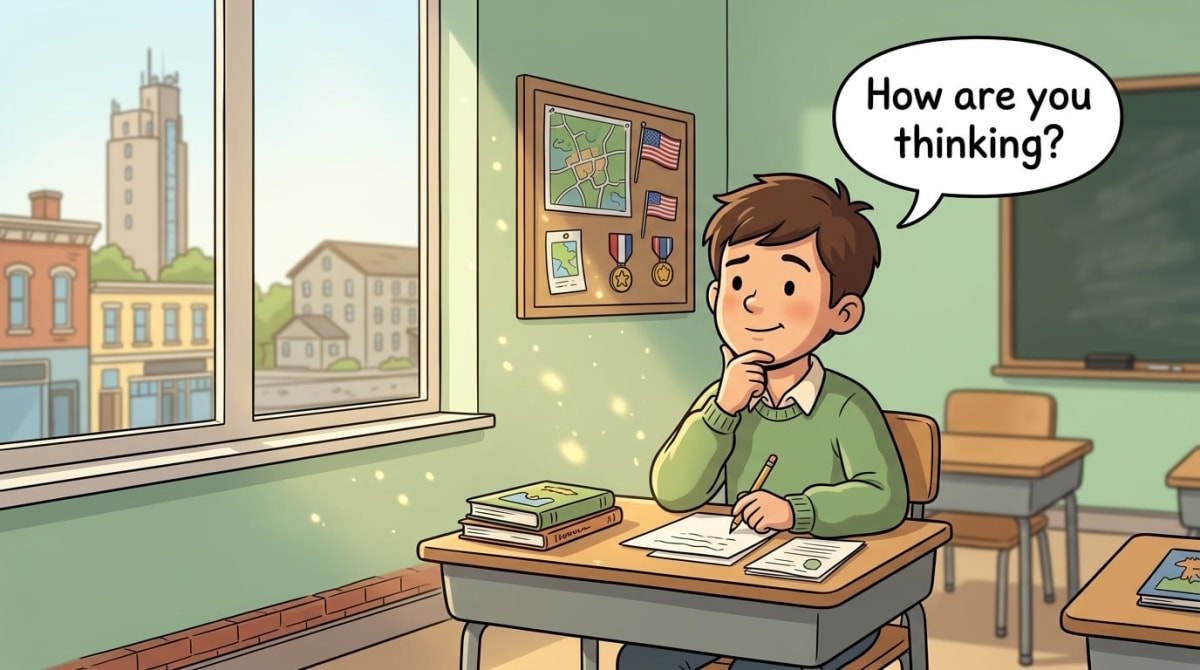
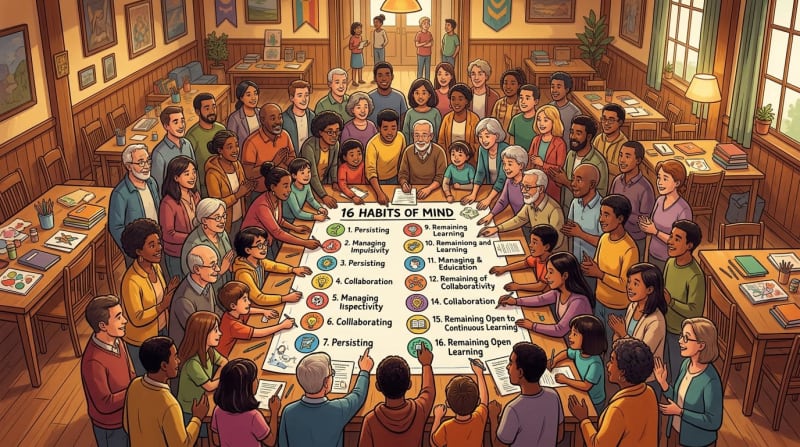
This fall, Pittsford schools are asking students a different kind of question. Not "what is the answer?" but "how are you thinking?" Starting with the 2026-27 school year, the Pittsford Central School District has embedded the Habits of Mind framework into its curriculum — 16 thinking dispositions developed by Dr. Arthur L. Costa and Dr. Bena Kallick that shift the focus from getting the right answer to developing the right thinking process. The change is already in classrooms.
More Than Answers: The 16 Habits Pittsford Is Building Into Every Classroom
More Than Answers: The 16 Habits Pittsford Is Building Into Every Classroom
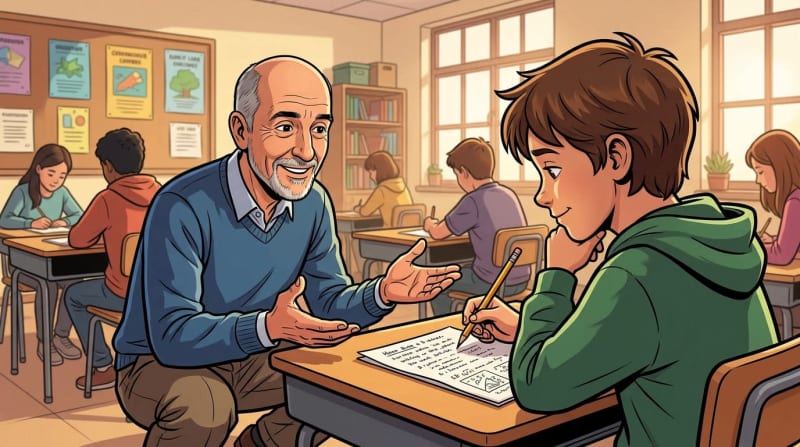
The Habits of Mind framework isn't a test-prep program or a social-emotional learning module grafted onto existing instruction. It's a set of 16 intellectual dispositions — persisting through challenges, managing impulsivity, listening with understanding and empathy, thinking flexibly, striving for accuracy, thinking interdependently, remaining open to continuous learning, and nine more — that teachers are now being asked to name, model, and reinforce across subjects and grade levels.
In practice, this means teachers redirecting students who get stuck. Instead of supplying the answer, they prompt students to name what strategies they have tried, or to consider how a different approach might work. The goal is for students to build habits they carry out of the classroom — the reflex to pause before reacting, to check their work without being told to, to listen before responding. These are not skills that show up on a standardized test — they show up everywhere else.
What Superintendent Cutaia Wants Every Pittsford Student to Carry Forward
What Superintendent Cutaia Wants Every Pittsford Student to Carry Forward
Superintendent Shana Cutaia has been direct about what this shift means for the district's priorities. In her statement on the 2026-27 Habits of Mind implementation, she was plain about the goal:
"Ultimately, our goal as educators is not simply to produce students who can succeed on tests, but to develop thoughtful, resilient, and engaged citizens."
— Superintendent Shana Cutaia, Pittsford Central School District
She went further: "This is the work that matters most. It is work that will shape not only the future of our schools, but the future of our communities."
That framing signals something parents should notice. The district is not adding Habits of Mind as an enrichment add-on. It's treating this as the central commitment — what teachers are now primarily asked to build toward. Test scores still matter. But they are no longer the primary definition of what Pittsford schools are trying to produce.
A Strategic Plan Shaped by Pittsford Itself
A Strategic Plan Shaped by Pittsford Itself
The Habits of Mind implementation didn't arrive from a district administrator's desk. It grew from a community process. Pittsford's new strategic plan was built with input from hundreds of participants — students, staff, families, and community members — gathered through surveys, focus groups, community conversations, and a May 2026 Community Input Day.
Three priorities came out of that process: Academic Excellence, Meaningful Belonging, and Continuous Improvement. The second is the more telling one. A district that lists "Meaningful Belonging" as a strategic priority — equal in weight to academic excellence — is describing something its community said it valued. The Habits of Mind framework maps directly to that: listening with empathy, thinking interdependently, and remaining open to learning are habits that shape how students treat each other, not just how they solve problems.
Superintendent Cutaia described the plan as a commitment "to align resources, focus efforts, and measure progress toward shared goals — not merely a document."
The 2026-27 school year is underway. The 16 habits are on the lesson plan now.
Content ID: Lb2yvk7udJEQDiZJVnmjCI09
See an error? Tell us.



11 Comments
Comment from Facebook
I actually think there may be more value in this approach now than ever. As students grow up in a world where AI can provide an answer almost instantly, the ability to think critically, question information, adapt, persist and determine whether an answer even makes sense becomes increasingly important. The challenge for schools may no longer be simply teaching students how to find answers, but teaching them how to think when the answers are readily available.
Sep 1, 2026 at 2:17 am
View on Facebook ↗Comment from Facebook
Seems like every couple years some "educators" come up with a "revolutionary, new way" to teach. Academia latches on and School Districts institute it. Tax money spent and after several years it is abandoned for the next new thing. Older people remember "New Math". While I support teaching analytical thinking, I also believe learning/memorizing established facts is just as important. People today can't use a paper map, don't know what continent the USA is in, when the Revolutionary War started, how to figure the hypotenuse of a right triangle, where internal body parts are, and so much more without "googling" it. Ask any plumber or carpenter, how long will you keep a job if every time you need to figure the hypotenuse for a pipe offset or rafter if you have to analyze the possibilities of figuring it out. Or an EMT has to google where the femoral artery is when applying a tourniquet. I hope this new teaching method doesn't ignore the value of knowing things. Millions of people learned by the three Rs. They went on to live successful lives.
Sep 1, 2026 at 2:19 pm
View on Facebook ↗Comment from Facebook
Jeff Deuel After close to 30 years in education, I totally agree with you. About every 3 years someone in administration decides to adopt a new way of teaching that will solve everything. The district hires an expensive “consultant” to train the faculty and the administrator was able to add something to their resume/CV so they can get a better paying job somewhere else. Faculty works extra hard to prove they are following their directives and in about 3 years, something else gets implemented and the previous program gets forgotten.
Sep 1, 2026 at 6:13 pm
View on Facebook ↗Comment from Facebook
Tim McGuinness 💯
Sep 4, 2026 at 1:08 am
View on Facebook ↗Comment from Facebook
Jeff Deuel You're exactly right. And this whole framework thing is pseudoscience and brainwashing by any other name. Basically, 'growth mindset' has taken over rational thought and stopped people from being able to critically problem solve and turned them into automotons.
Sep 1, 2026 at 8:36 pm
View on Facebook ↗Comment from Facebook
Thats funny because they were teaching one-sided identity politics & division for the past few years. Guess that didnt work out too well for them.
Sep 1, 2026 at 7:37 pm
View on Facebook ↗Comment from Facebook
Pipa Monroe they are still sneaking it in
Sep 2, 2026 at 10:03 pm
View on Facebook ↗Comment from Facebook
So just because the Super Cutaia read a book shes gonna put it into the whole curriculum? This is the same lady that was letting her staff tell kids they were probably trans because they were upset about parent divorces. And they ignore me and try to hide it from parents. She probably red a book about that.
Sep 1, 2026 at 8:17 pm
View on Facebook ↗Comment from Facebook
'16 thinking dispositions'? WTF does that mean?! Hey parents, remember when you were upset about the indoctrination of your kids? Turns out, it was happening all along - with toxic positivity and a lack of basic knowledge.
Sep 1, 2026 at 8:41 pm
View on Facebook ↗Comment from Facebook
I do not want my child confused with how to think. They already know how to think critically.
Sep 2, 2026 at 10:15 pm
View on Facebook ↗Comment from Facebook
Sounds nice but it isnt. The kids gets rewarded to think the way the school wants. They need to fix their curriculum in content areas at Pittsford. This is not a wise or proven curriculum & how it got passed through is telling of the inexperienced administration.
Sep 7, 2026 at 9:08 am
View on Facebook ↗Comments marked “from Facebook” were shared from our Facebook page. Commenter names are not published here — open the original thread to see them.
Share with the Community